
Hello Gemini Enterprise Agent Platform!
Google is offering a promotional $300 Google Cloud credit that's good for 90 days, so I thought it might be a good time to jump in and build some autonomous Cloud-hosted agents. I wanted to have
Article
Job breakdowns
Google is offering a promotional $300 Google Cloud credit that's good for 90 days, so I thought it might be a good time to jump in and build some autonomous Cloud-hosted agents. I wanted to have agents that run in the background, independently of my local machine, so that they could work anytime, day or night. xAI's Grok Bot and Meta's Muse both provide this, but I wanted to automate a tasks that have intricate rules and complex logic and therefore need automated tests for durability.
I figured out if I use a coding agent like Google Antigravity and tell it to use the Agents CLI tooling, I could "vibe code" an agent rather quickly and deploy it to Google Cloud Platform to try out its enterprise features for things like scaling, security compliance, observability and AI infrastructure.
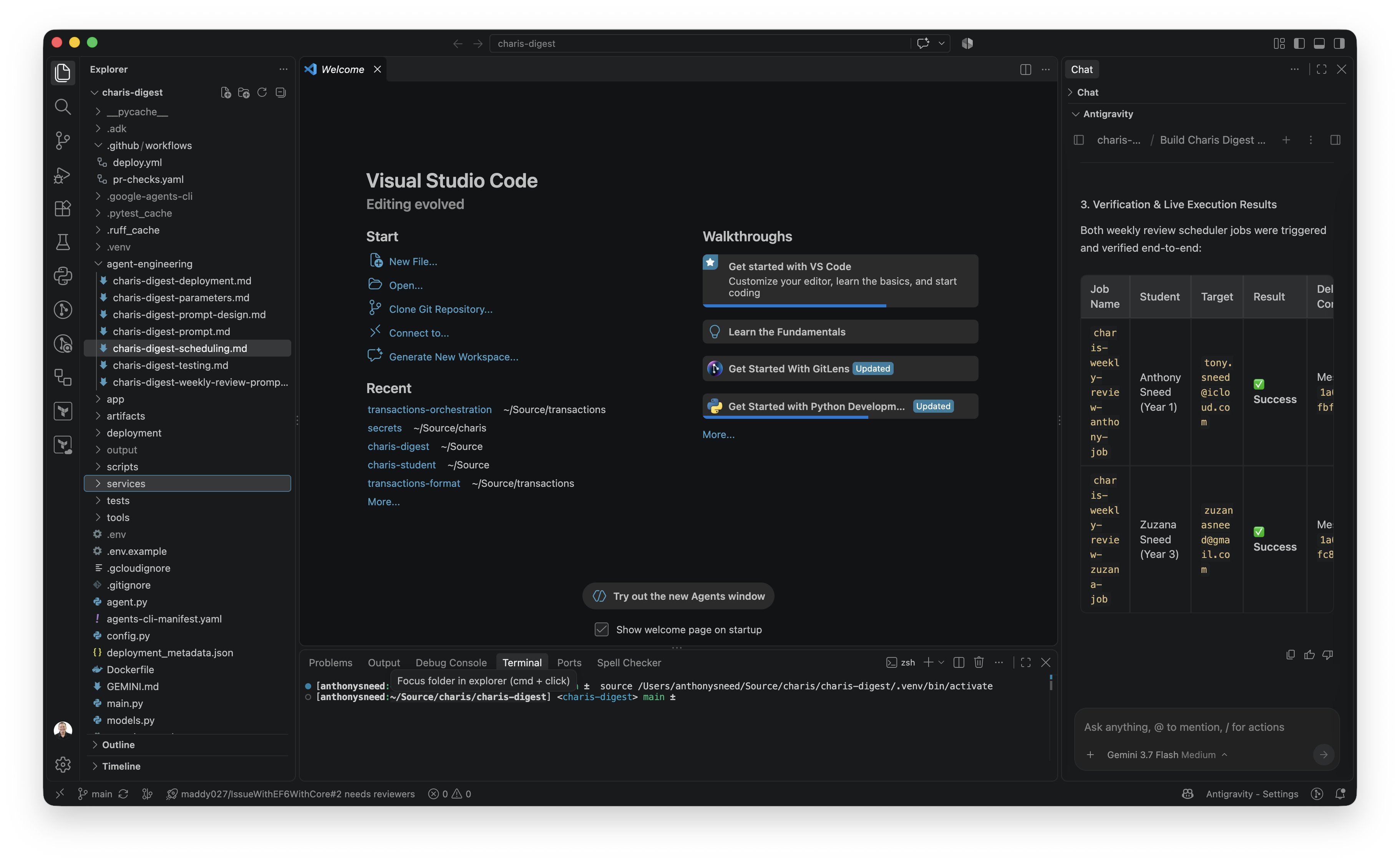
I commenced with the Agents CLI Getting Started Guide, which includes setup and pre-requisites. Then I installed the Antigravity Extension for VS Code. I drafted my agent functionality in a prompt design document and asked Gemini and ChatGPT to write the prompt which I fed to the Antigravity chat in VS Code. It promptly built my agent and wrote unit, integration and eval tests.
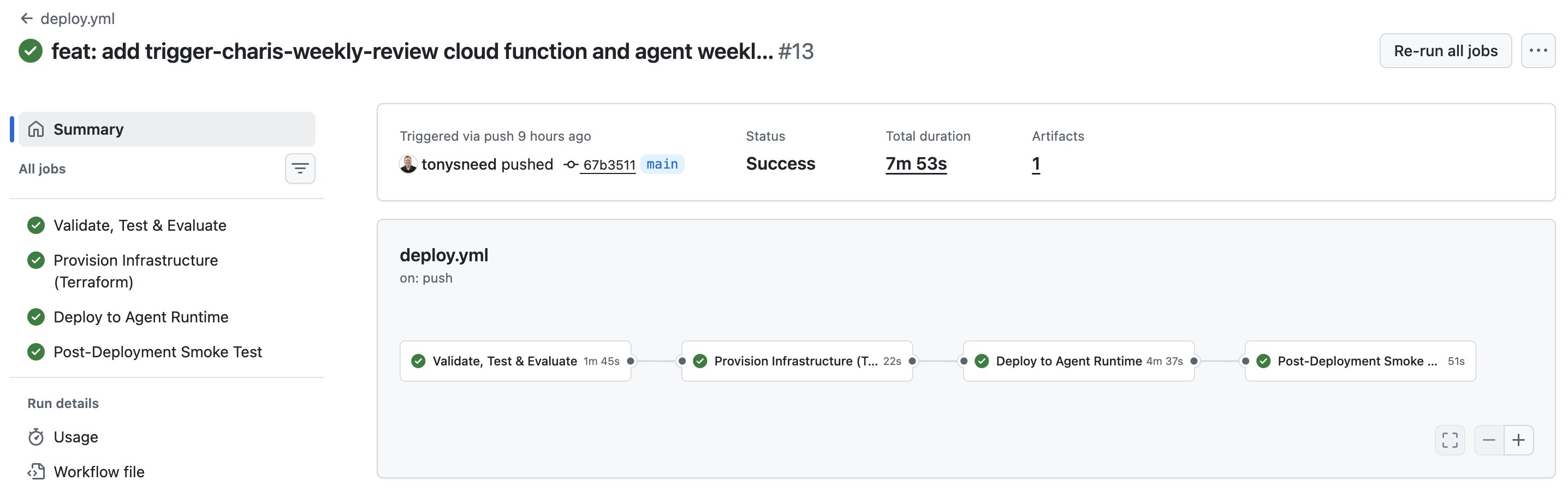
Next I installed an MCP server for GitHub so that Antigravity could use GitHub actions with a CICD pipeline to deploy my agent to the Google Agent Runtime, and I instructed it to use Terraform for IaC. The nice part here is that Antigravity then monitored deployments that were kicked off when pushing commits to GitHub, fixing errors that caused the pipeline to fail, and then pushing the fix to kick off another deployment. It went through several iterations without much input from me until it achieved success.
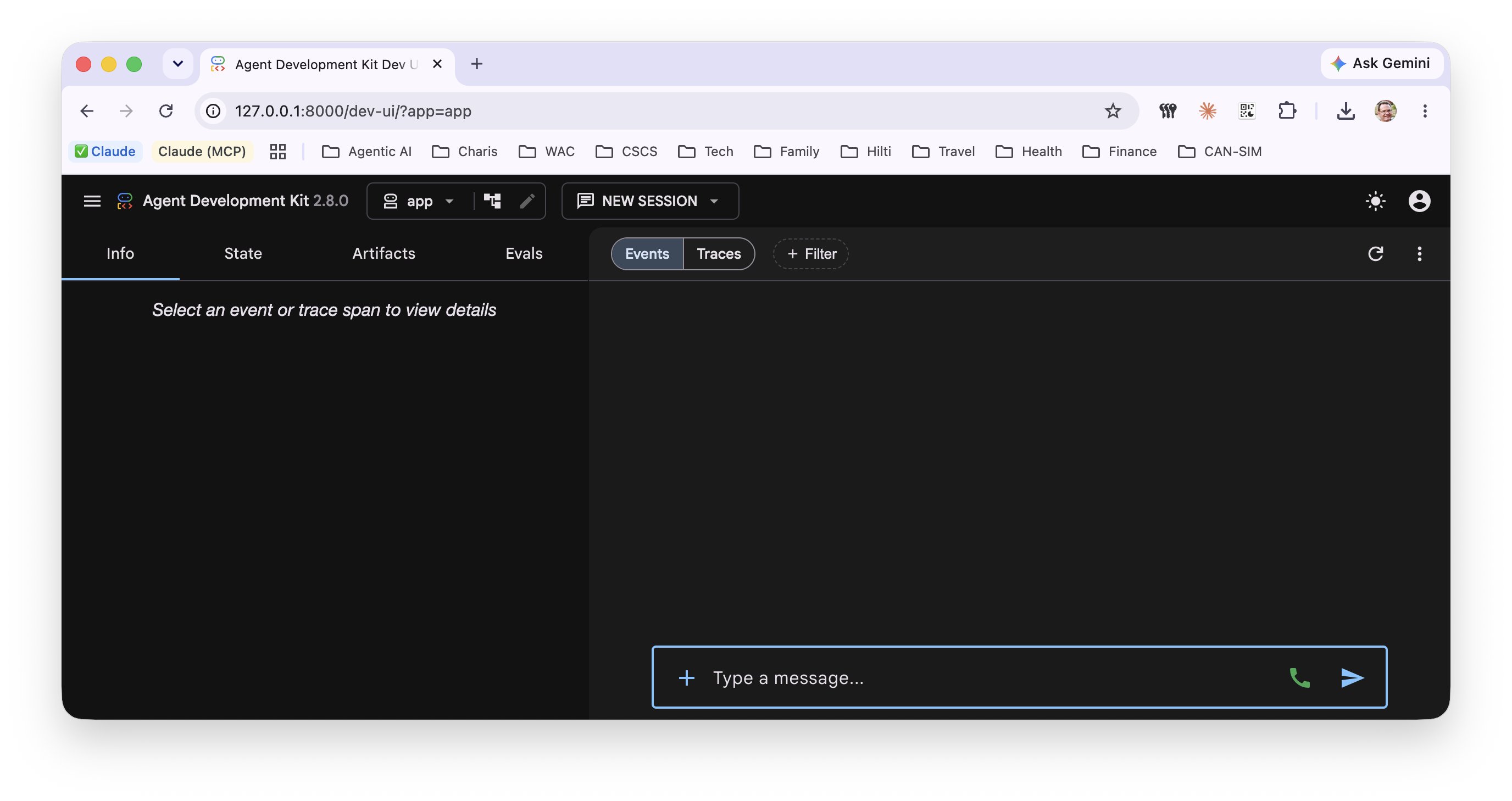
Pre-deployment, I used a local playground that comes with Agents CLI for testing the agent locally.
Pre-deployment, I used a local playground that comes with Agents CLI for testing the agent locally.
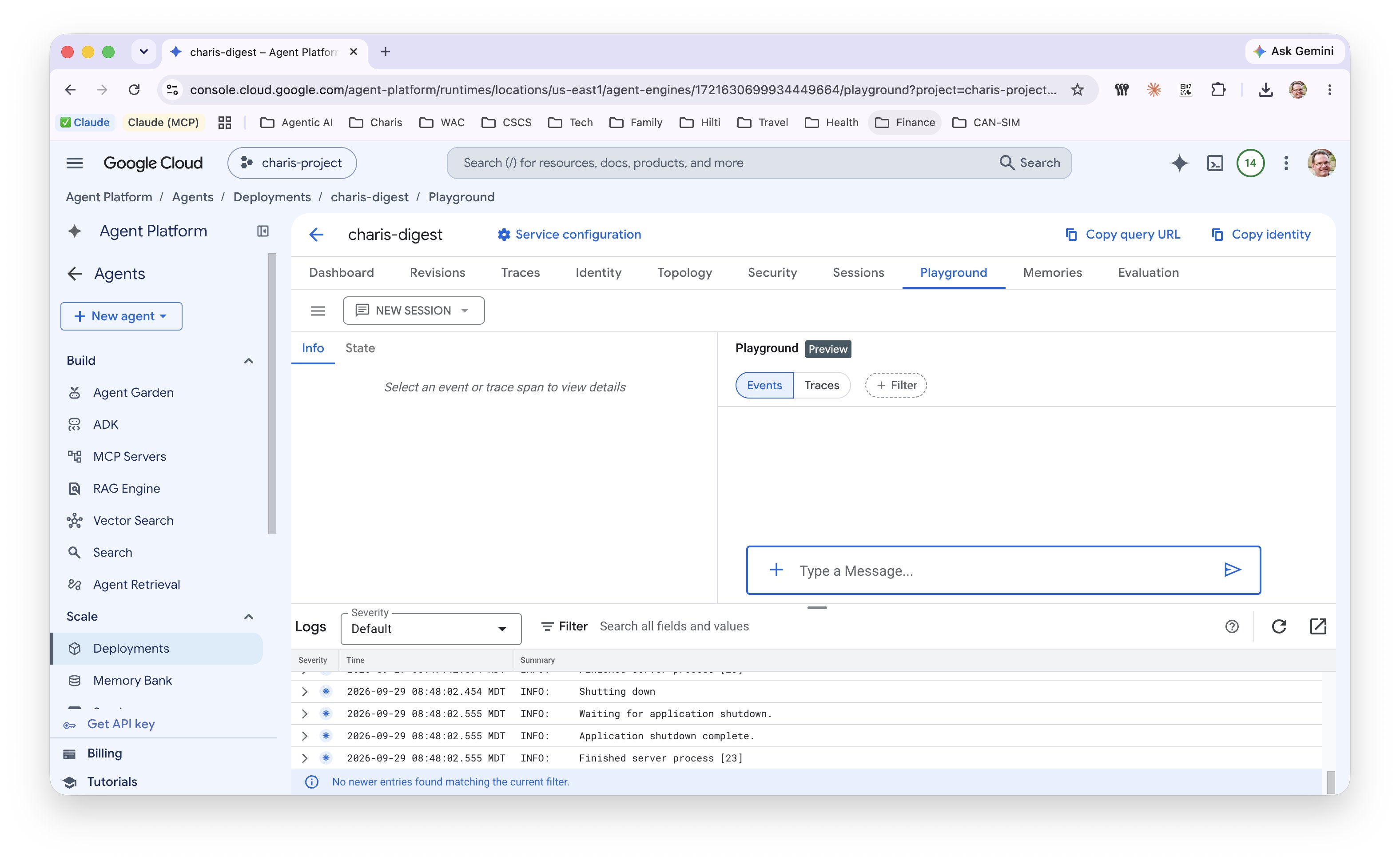
Post-deployment, I used the Google Cloud Console playground to test the agent remotely. I reported any errors to Antigravity, and it suggested an immediate fix.
Lastly, I used the Cloud Scheduler on the Google Cloud Console to run a chron job for executing my agent on a daily or weekly basis.
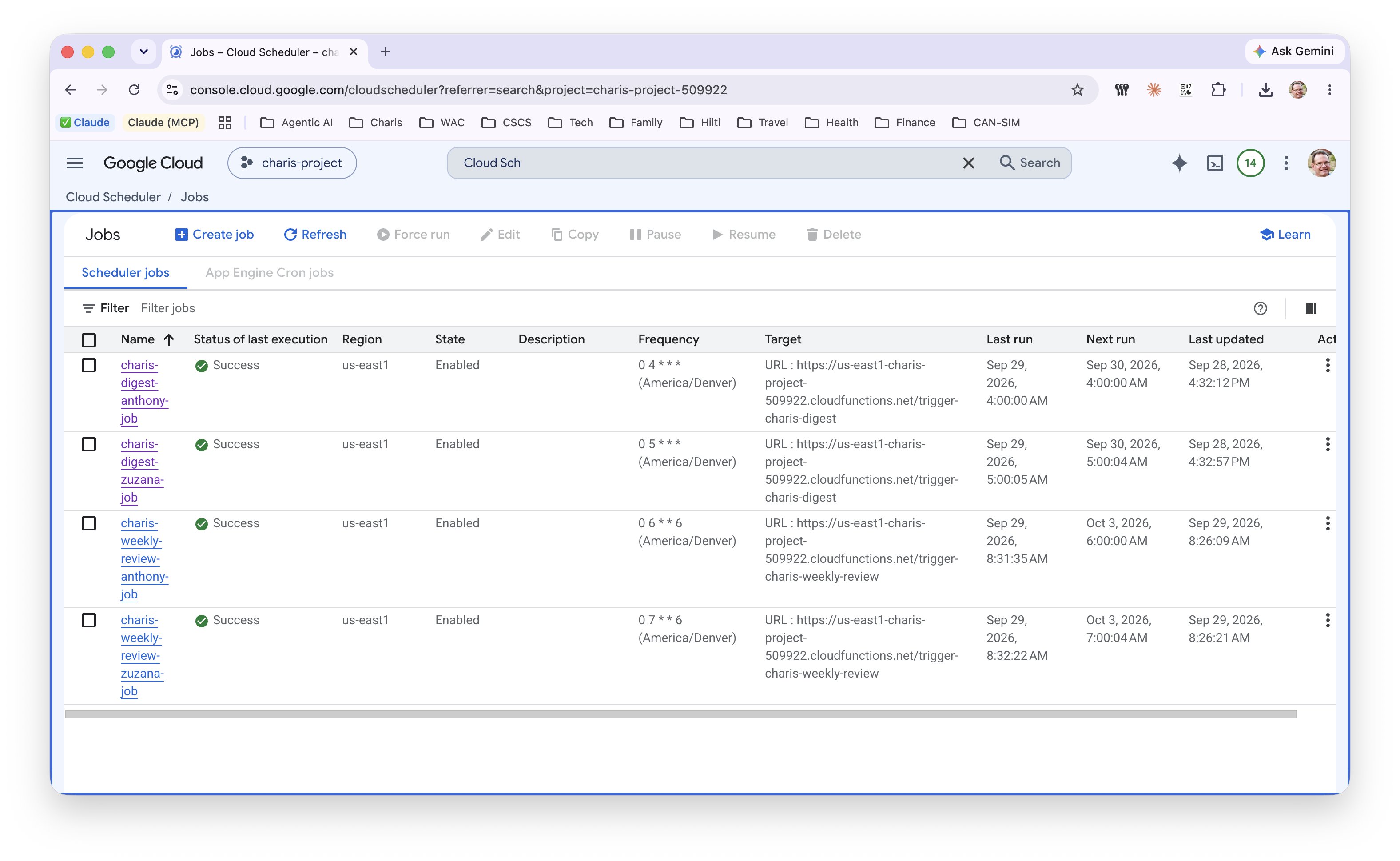
The nice thing about building an agent to automate routine tasks is that its reasoning ability obviates the need for gobs of imperative code to accomplishing its mission. As long as the instructions are fairly clear, the agent just figures out what to do.
In this case, I had it interrogate a class schedule contained in a spreadsheet to extract a daily class list, look up related resources from the school web site, then compose and send an email with links to resources and a schedule summary.
It's an example of the kind of job that an agent can do, with some intricate logic and edge cases, and it created tests that run with every deployment. It also serves as a showcase for the enterprise infrastructure and guardrails (like protections against prompt injection) that companies care about.
Published on grokbot.sh. Cite the public log, not a prompt pack.