
Elon Musk's $10 Trillion Robot: The Dexterity Gap Nobody's Pricing In
On July 22, 2026, during Tesla's Q2 earnings call, Elon Musk said something many had already suspected but few dared confirm with real numbers behind it: "I think Optimus will be our biggest product,
Article
Job breakdowns
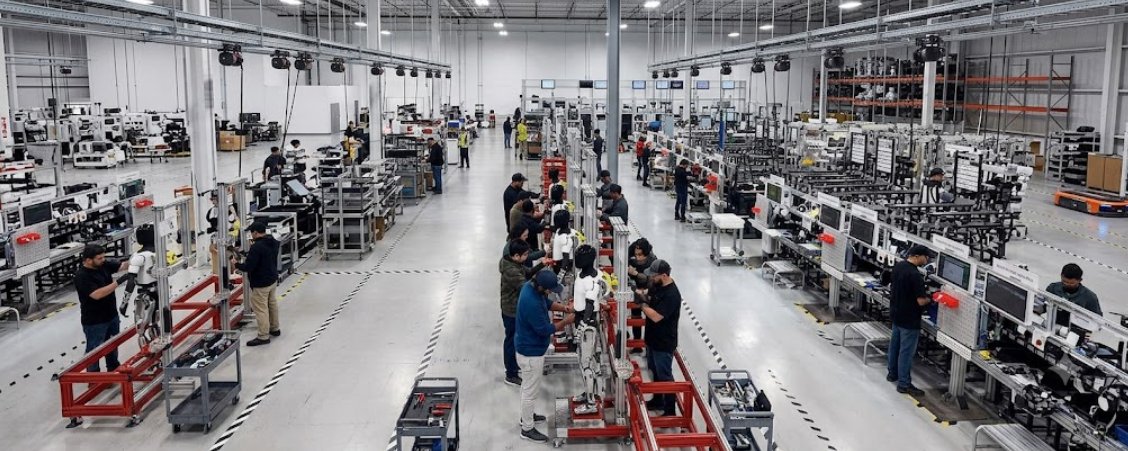
On July 22, 2026, during Tesla's Q2 earnings call, Elon Musk said something many had already suspected but few dared confirm with real numbers behind it:
"I think Optimus will be our biggest product, not just Tesla's biggest product ever, but probably the biggest product ever."
He's since floated a long-term sales figure as high as $10 trillion. This is not marketing language. Tesla backed it with actions that are hard to fake: capital expenditure jumped 142% year over year to $5.79 billion in the quarter, and the company shut down Model S and Model X production at Fremont entirely to make room for Optimus.
What Physical AI actually requires
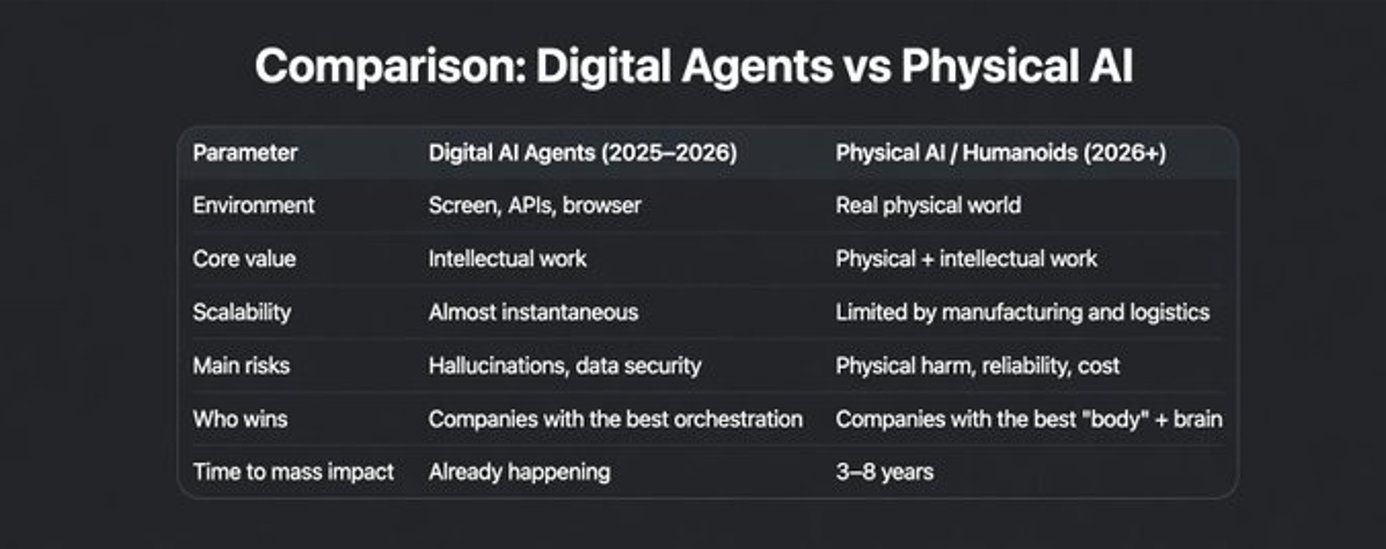
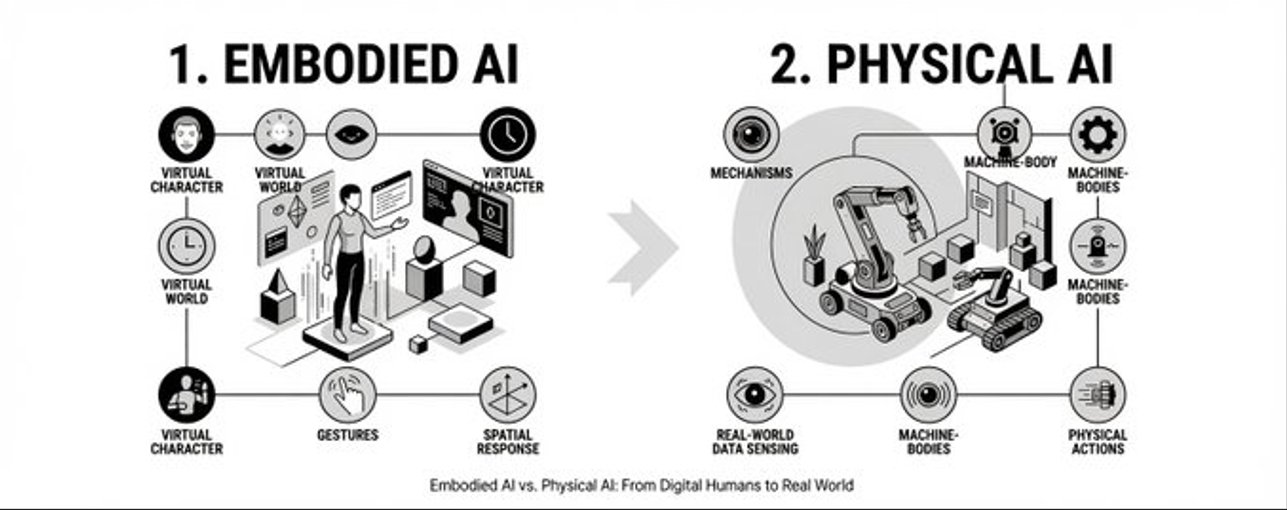
Digital AI agents already plan, use tools, and complete complex tasks — but they stay behind a screen. Physical AI is the next layer: systems that perceive the real world, plan actions, and execute them through actual hands and legs, adapting to unpredictability instead of following fixed scripts.
Key facts from the Q2 2026 earnings call
-
Capital expenditure: $5.79B, up 142% year over year
-
Model S and Model X production at Fremont: discontinued January 2026
-
Production target: 1 million units/year at Fremont, 10 million/year at Giga Texas
-
None of Optimus's actuators come from an existing supply chain — built from zero
-
Hand dexterity: Gen 3 reaches 22 degrees of freedom + 3 in the wrist (25 total), up from 11 in Gen 2 and 6 in Gen 1
-
Human hand, for comparison: approximately 27 degrees of freedom
The part most coverage skips
The demo where a Gen 3 hand caught a tennis ball was filmed via teleoperation — a person controlling the robot remotely, in a lab, the night before it was shown publicly. The robots at Tesla's 2024 "We, Robot" event were teleoperated too. The hardware has nearly closed the dexterity gap. The autonomy to use it without a human in the loop is the part still being built, under a program called "Optimus Academy."
Digital AI vs Physical AI
-
Where it fails: a wrong sentence (digital) vs a dropped object or a fall (physical)
-
Cost of a mistake: regenerate the output (digital) vs repair, liability, downtime (physical)
-
Scaling limit: server capacity (digital) vs factories, actuators, hands (physical)
-
What's missing: better prompts (digital) vs 27 degrees of freedom (physical)
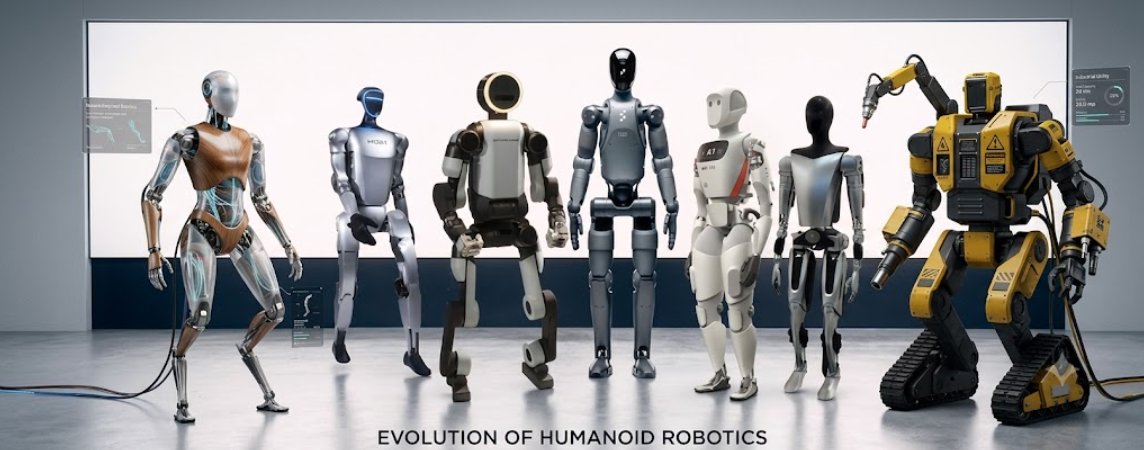
The humanoid market in 2026: who else is on the field
-
Boston Dynamics Atlas (under Hyundai) — one of the most dynamic humanoids in motion
-
Unitree H1 / G1 — undercutting everyone on price out of China
-
Figure 02, Agility Digit, 1X NEO, Apptronik Apollo — all shipping pilot units into real warehouses now
UBS estimates roughly 2 million humanoids in workplaces globally by 2035, climbing into the hundreds of millions by 2050 — assuming the dexterity and cost curves keep bending the way they have the last two years.
Why Tesla's bet is different from a startup's
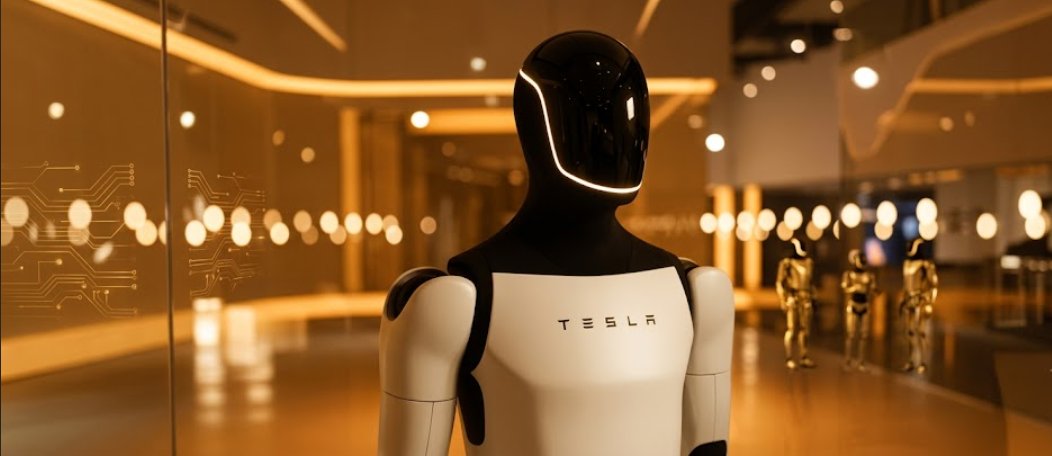
Tesla already knows how to go from "impressive prototype" to "a million units a year," because it's done it once before, with cars. Musk's advantage isn't leading on any single spec — it's years of real-world AI training data from the car fleet, in-house chip design, and a factory system already proven to scale a complex hardware product from thousands of units to millions.
Checklist: how to read the next 12 months
-
Watch for autonomous (non-teleoperated) demos, not just dexterity specs
-
Track actual Fremont output numbers against the 1M/year target, not just the announcement
-
Compare Optimus hand DoF progress against Figure, 1X, and Unitree each quarter
-
Separate "hardware milestone" headlines from "deployed without a human operator" headlines
-
Treat the $10T figure as a long-term thesis, not a near-term forecast
What actually matters here
Nobody serious argues humanoid robots won't eventually work. The argument is about timing — and the honest read is: closer than skeptics assumed a year ago, further than Musk's earnings-call enthusiasm suggests. Twenty-two degrees of freedom in a hand is a real engineering milestone. A robot that can use it without a person quietly operating it from another room is a different milestone entirely.
The hand caught the ball. Someone else was still doing the throwing.
If you enjoyed this piece, follow @waleexbt for more.
Published on grokbot.sh. Cite the public log, not a prompt pack.