
Muse vs Hermes vs Grok Bot: which agent do you actually need?
If you've been scrolling X and keep seeing Meta Muse, Hermes overnight jobs, and Grok Bot routines — thinking bhai, what even is this? — this one's for you. Short version: all three give an AI a
Article
Job breakdowns
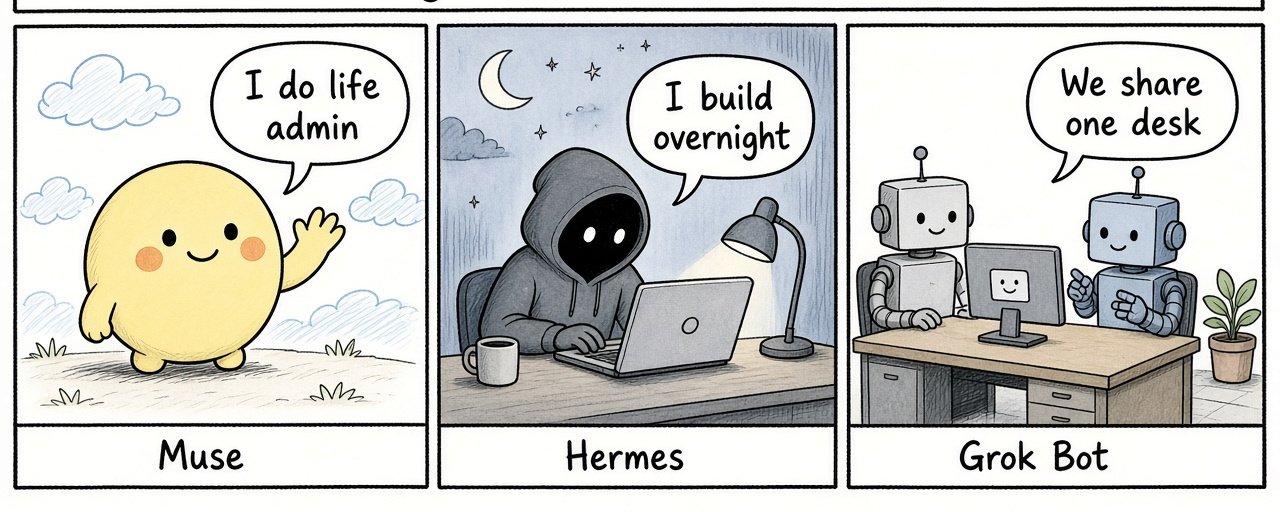
If you've been scrolling X and keep seeing Meta Muse, Hermes overnight jobs, and Grok Bot routines — thinking bhai, what even is this? — this one's for you.
Short version: all three give an AI a computer and keep working when you look away. Not the same job — different landlord, front door, and “ask
before spend / delete / send.”
- One sentence each (so your brain can file them)
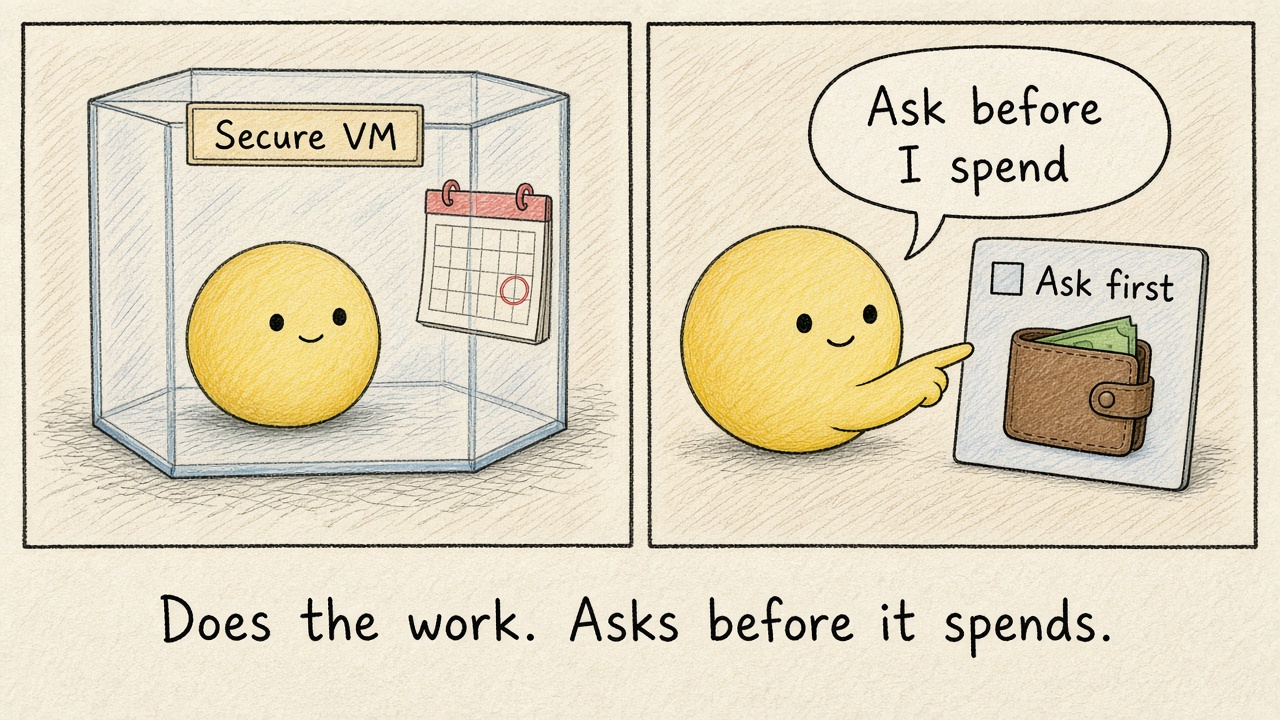
Meta Muse is Meta's personal life agent — not just chat: it runs on Meta's Secure VM and can do email, calendar, browsing, bookings, shopping (with approvals), including in the background. Talk to it from the Muse app, muse.ai, or WhatsApp.
Hermes is Nous Research's open, self-hosted agent that lives on your laptop or a cheap VPS. It learns memory/skills over time, talks over CLI or Telegram/Discord/Slack/WhatsApp/etc., and is built for overnight cron + git worktrees. (This is Nous Hermes Agent — not Meta Muse, not Discord's Hermes bot.)
Grok Bot is Cursor's desktop (and mobile) AI teammate product — named Bots with lasting memory that share one persistent cloud computer (browser, files, terminal), plug into your apps, and run skills/routines even when your laptop is closed.
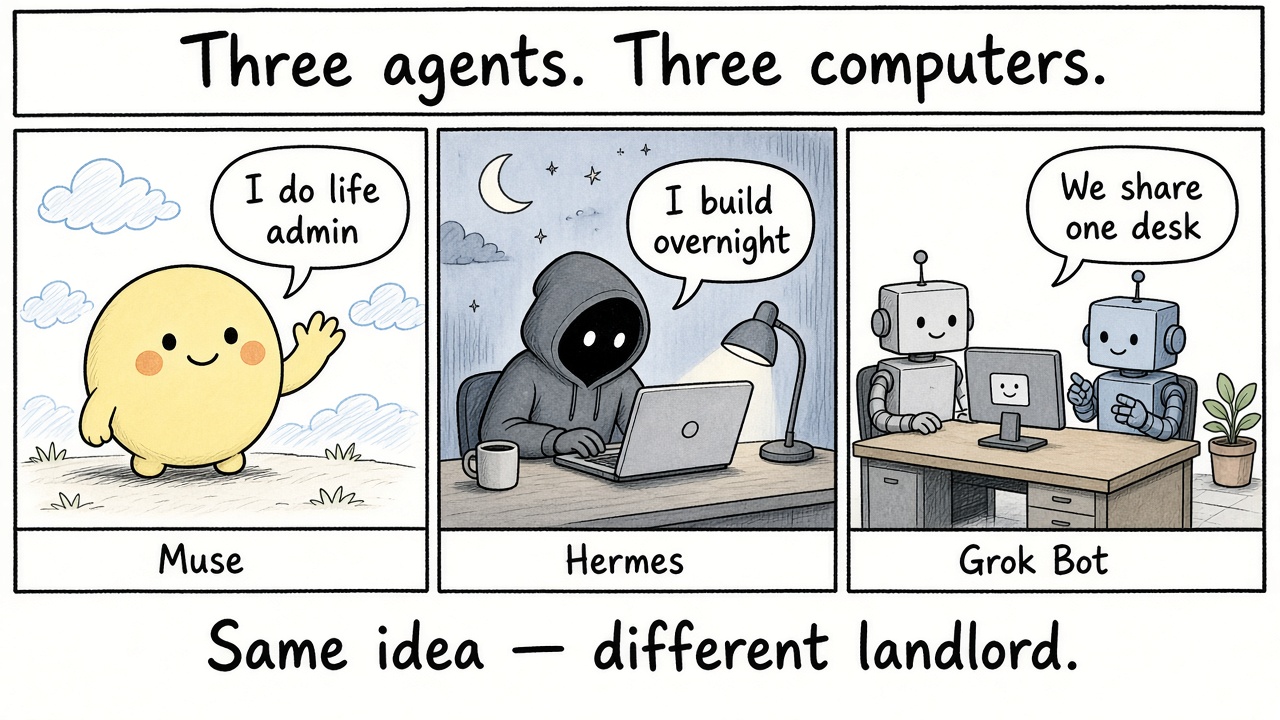
Tiny analogy I keep in my head:
• Muse → life butler on Meta's cloud
• Hermes → workshop you own (overnight builder)
• Grok Bot → named coworkers sharing one desk
- The shared idea (then the fork)
All three are “agents with computers,” not essay chatbots. The fork is:
-
Whose computer? Meta's Secure VM / your VPS / Cursor's cloud box
-
- How you talk? WhatsApp-polished app / chat gateway + CLI / Cursor desktop Bots
-
- What job? Life admin / overnight repo work / recurring work ops
-
Side-by-side (skim this, then deep dive)
Best for
• Meta Muse: Non-tech + creators, life admin
• Hermes (Nous): Builders, overnight jobs, repo work
• Grok Bot (Cursor): Knowledge work + multi-Bot workflows
Runs on: Muse Secure VM (Meta cloud); your VPS / laptop / sandbox; Cursor cloud computer (per user).
Talk via: App, muse.ai, WhatsApp; CLI + 20+ chat apps; Desktop + iOS/Android.
Background: Yes for all three — app closed, gateway + cron, or routines / cloud work.
Coding / git depth: Muse is possible but not the center; Hermes wins with worktrees, terminal, and cron; Grok Bot is strong via computer + plugins.
Life admin / payments: Muse wins with Link and shopping UX; Hermes is DIY; Grok Bot is possible with approvals but not Muse-smooth.
Safety shape: Sentinel + credential isolation; configured approvals / containers; Approvals + Auto Review (+ Enterprise).
Pricing shape: Free + paid tiers (US); OSS + you pay models/infra; Cursor paid / Teams / SuperGrok link.
Open source: No; Yes; No.
Biggest gotcha: Meta trust + US-only launch; ops + misconfig risk; shared Bot computer is not isolation.
Want WhatsApp life admin → Muse
Want overnight code on a box you own Hermes
Want named Bots + routines in the Cursor world → Grok Bot
- Meta Muse — the life-admin lane
Muse is for people who want an agent that does calendar, inbox, bookings, shopping — without standing up a VPS.
It runs in a Muse Secure VM (dedicated cloud Linux box with browser + storage). Sensitive actions (send email, purchase) go through approvals that show up as system dialogs, not a chat message a webpage can fake. Meta's write-up leans hard on a separate Sentinel permission agent: Muse proposes, Sentinel allows / denies / asks you. Credentials stay outside the main agent cell.
Creators pitch: inbox/DM triage, calendar cleanup, brand-deal tracking, goals, custom artifacts (dashboards, trackers). Model they've named: Muse Spark 1.3.
Money / availability: US at launch; free for “most of what people need.” The Batch (reported / verify on Meta Help): ~100M tokens/week free, ~$20/mo and ~$100/mo higher caps — check Meta before you plan around numbers.
Try path: Muse app or WhatsApp → connect calendar → ask for a draft email or calendar cleanup. Don't approve send/pay on day one.
Lived caveat: lowest friction for non-builders. Weakest fit if what you actually want is overnight git worktrees on your own iron.
- Hermes — the overnight builder lane
Hermes is for people who want ownership: install it where you want, pick your models, wire Telegram/Slack/…, and let cron run while you sleep.
It lives on a laptop, a $5 VPS, or sandboxes. Builder pieces that matter:
• Cron — LLM or script-only jobs; deliver to any chat app
• Git worktrees — parallel agents on isolated branches (no stomping one tree)
• Memory — MEMORY.md / USER.md + session search
• Skills loop + Bot Mode — named specialists that learn over time
Safety is defense-in-depth you configure: gateway allowlists, command approval (smart / manual / off — YOLO carefully), hardline blocklists, write denylists, containers. Unattended cron defaults to deny on dangerous prompts. Software is open source; you pay models + infra.
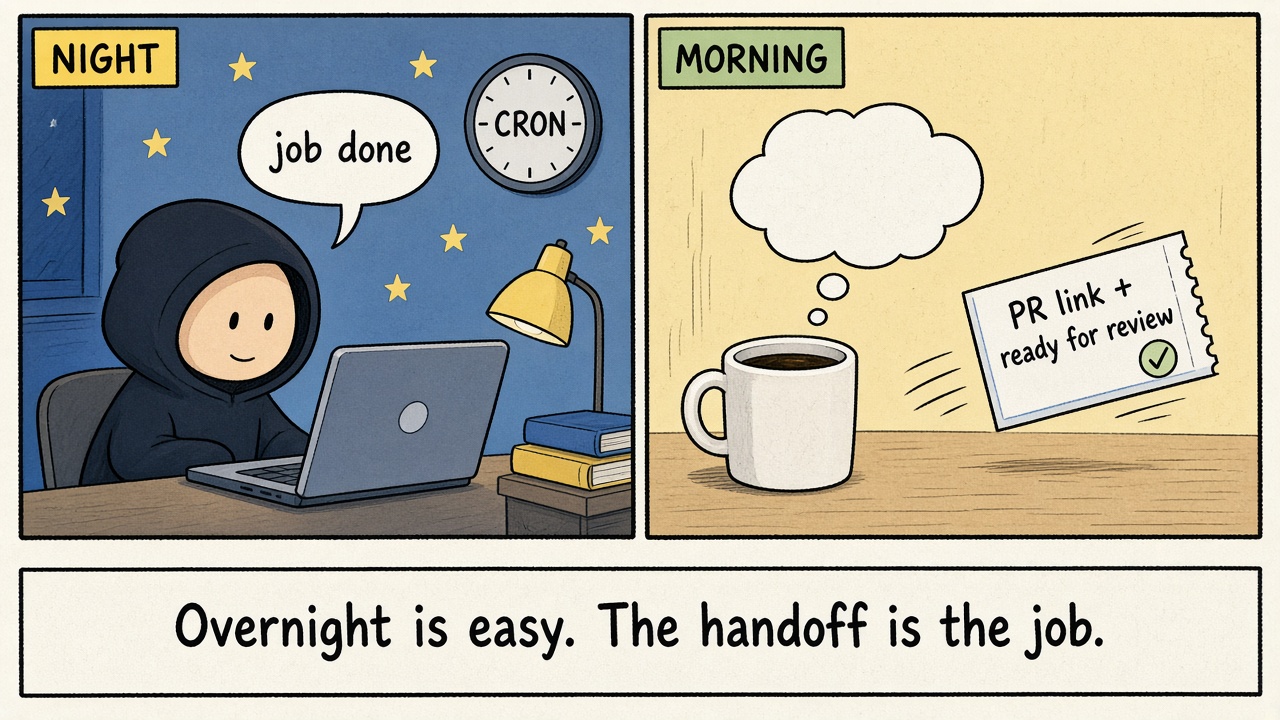
Try path: install → lock the gateway → one alive cron to Telegram/Slack → one overnight repo job. Finish line isn't exit code 0. It's PR link + ready for review (or a clear blocked reason).
I've wasted mornings on jobs that finished without a handoff. Cron is easy. The handoff is the job.
Lived caveat: maximum control, maximum ops. Misconfigure GATEWAY_ALLOW_ALL_USERS or YOLO on a host with secrets → that's on
you. Muse/Grok Bot hide more of this behind product defaults.
- Grok Bot — the ops-teammate lane
Grok Bot is for people already in Cursor / Grok land who want multiple named Bots that keep context, share one durable computer, and run routines without babysitting.
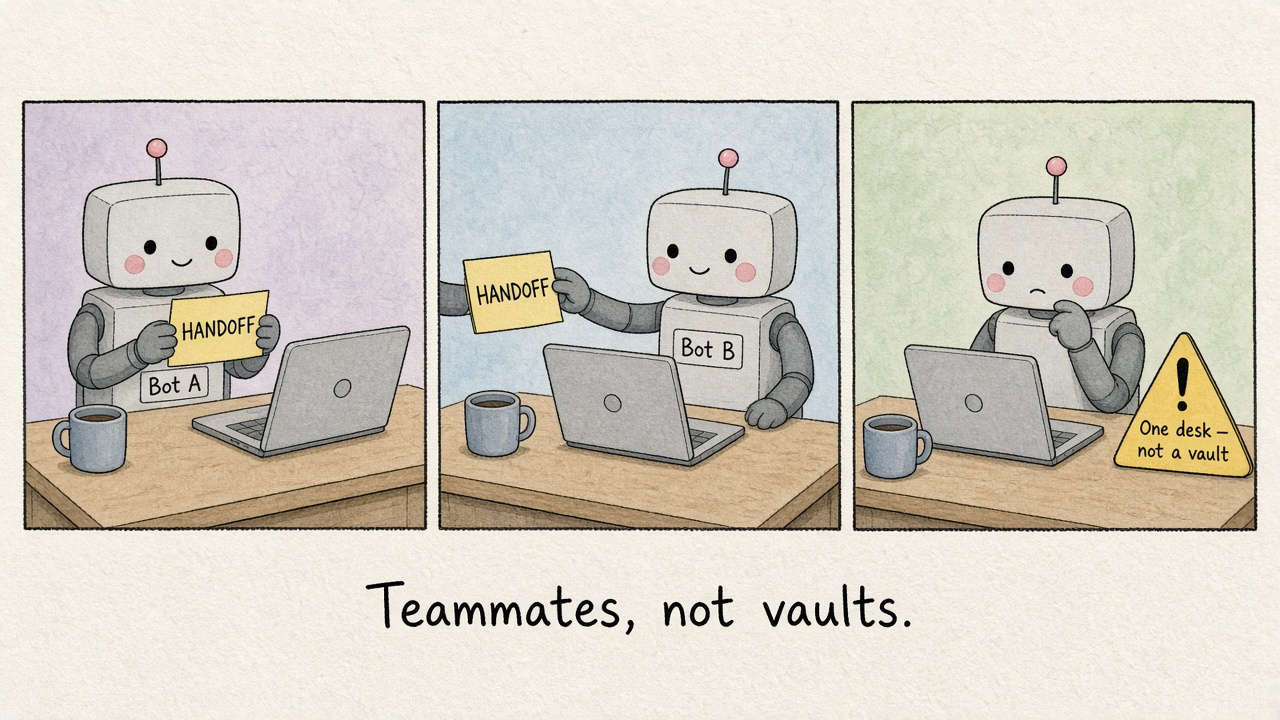
Key model: computers are per user, not per Bot. All your Bots share files, browser sessions, logins — great for handoffs, not a vault between names. Users are isolated (Firecracker-style VMs in the docs). Computers hosted in the US today.
Talk via desktop (macOS/Windows/Linux) + mobile. @ Bots/routines/connectors; / for skills. Routines: schedule or Slack/GitHub-style triggers; up to 50 per Bot.
Safety: put boundaries in the request; approvals for consequential acts; Auto Review on shell/plugins/computer-use. Don't paste passwords/2FA into chat. OAuth tokens stay on Cursor's backend.
Access: paid Cursor / Teams, or link SuperGrok / Plus / Heavy. Usage resets weekly — check the Plans matrix.
Try path: one Bot → one skill → one routine that ends in a draft with Needs me first. Skim flagged runs for a week before widening permissions.
Lived caveat: best team of Bots + shared desk + routines product in this trio. Don't treat Bot names as separate vaults. Browser automation still dies
on human gates and flaky sites.
- Safety in plain English
None of these magically solve prompt injection. They assume the model can be fooled sometimes, then put fences around the blast radius.
Core idea: Muse uses Sentinel + credentials outside the agent; Hermes uses configured allowlists / approvals / containers; Grok Bot uses approvals + Auto Review (+ Enterprise network).
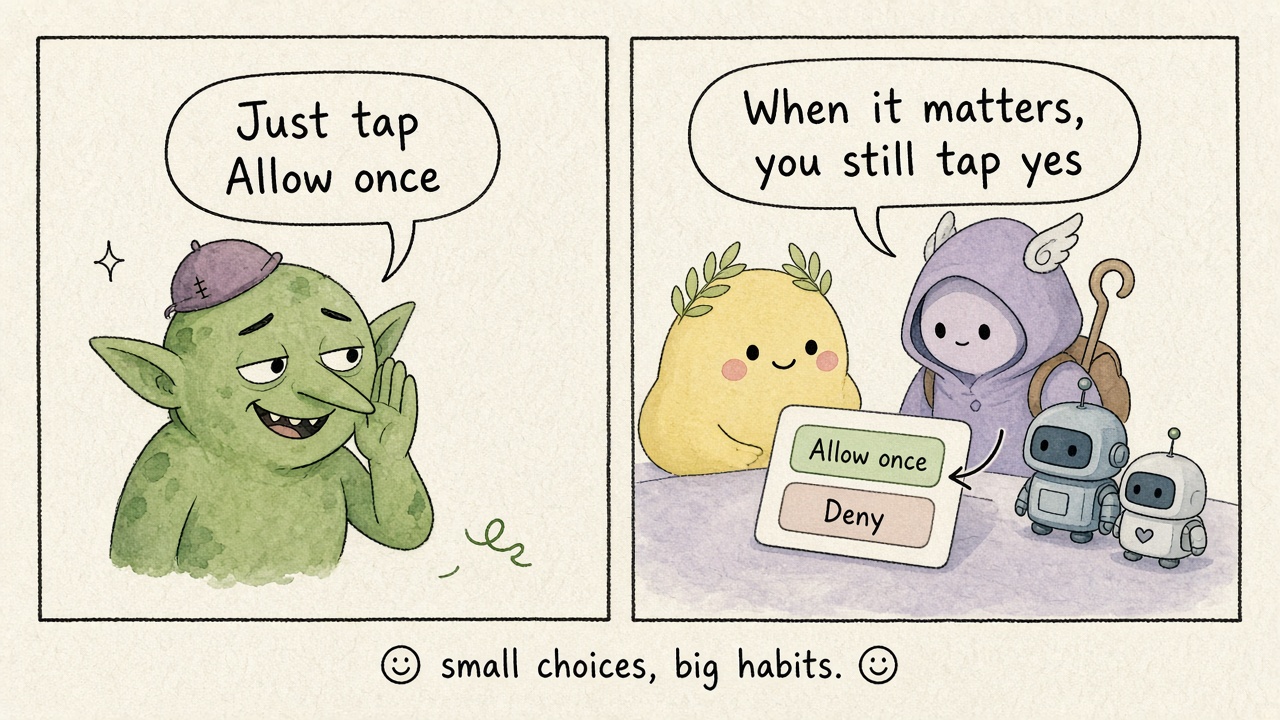
Sensitive acts: Muse system dialogs for send/pay; Hermes command approval + hardline blocklist; Grok Bot Allow once / Always / Deny.
Your job: review what Meta ships; be the ops team; don't leave vault keys on the shared desk.
Universal rule for all three: credentials in chat = bad.
- When to pick which (decision guide)
Pick Muse if… you want WhatsApp/app life admin, calendar/inbox/bookings/shopping with a polished consumer safety story, and you're okay with Meta + US availability.
Pick Hermes if… you want overnight coding/research on a box you control, git worktrees, open config, and chat-app delivery without Meta lock-in.
Pick Grok Bot if… you want named specialist Bots, skills → routines, work-app connectors, and (for teams) admin controls — inside the Cursor/xAI ecosystem.
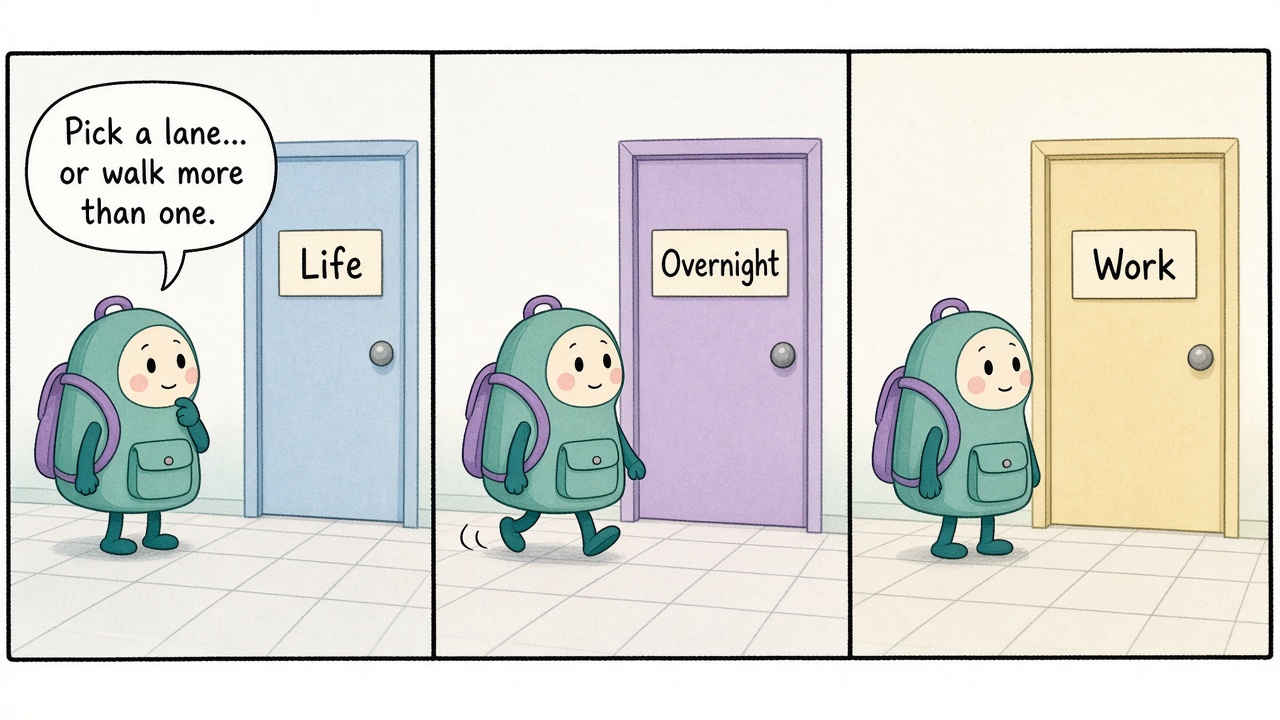
Use more than one? Yes — Muse for life, Hermes for overnight code, Grok Bot for digests. No monogamy required.
- How to try each (concrete first steps)
Muse
-
Confirm region (US at launch).
-
- App or WhatsApp → connect calendar (read-first if offered).
-
- Draft only. Decline send/pay until you trust approvals.
Hermes
-
Install from the docs / GitHub / Desktop.
-
- Lock gateway allowlists before exposing it.
-
- One cron → chat. One overnight job with PR URL + ready for review.
-
- Then try worktrees.
Grok Bot
-
Open in Cursor (paid / Teams / SuperGrok link).
-
- One Bot, one skill, one draft-only routine.
-
- Needs me first until false-send cost is measured.
-
Honest caveats (still open the diff)
• Prompt injection isn't solved — fences reduce blast radius, they don't make you invincible.
• Muse: US launch, closed source, Meta trust surface; Batch pricing = verify.
• Hermes: you are ops; shopping UX isn't the point.
• Grok Bot: shared desk across your Bots; US-hosted computers; browser still needs humans.
• Not covered: ChatGPT apps, Claude Computer Use alone, Cursor IDE agent (cousin Grok Bot).
Closing
Same idea — an agent with a computer. Different landlord.
Muse asks before it spends. Hermes asks before it rms — if you left approvals on. Grok Bot's Bots share a desk — don't leave the vault key on the desk. Overnight finished ≠ morning done: ship the PR link.
Pick a lane for one real task this week. Or walk two. Then tell me which handoff actually saved your morning.
Sources
Meta Muse: Introducing Muse · Safety approach · Instagram Creators · The Batch (pricing secondary)
Hermes (Nous): Docs · GitHub · Security · Cron · Worktrees
Grok Bot: Cursor Grok Bot · xAI overview · Computer & apps · Skills & routines · Approvals & privacy Security
Published on grokbot.sh. Cite the public log, not a prompt pack.