
Stop Using Grok Like a Chatbot. Build a Company That Runs While You Sleep.
Most people are using Grok Bot exactly like they used ChatGPT three years ago. They open a blank window, type a request, copy the answer, and leave. That is useful. It is also the least interesting
Article
Job breakdowns

Most people are using Grok Bot exactly like they used ChatGPT three years ago. They open a blank window, type a request, copy the answer, and leave.
That is useful. It is also the least interesting version of the product.
Grok Bot is designed around persistent AI teammates. Each Bot can have its own job, instructions, working context, tools, and recurring routines. Instead of repeatedly asking one general assistant to do everything, you can build a small team whose members keep responsibility for specific outcomes.
The difference sounds subtle until you experience it.
A chatbot waits for work. A Bot owns work.
The smallest useful AI company
Do not begin with ten agents and an elaborate organizational chart. Begin with three clearly separated roles:
The Scout watches your market. It searches X, follows selected accounts, reads industry sources, and produces a concise briefing whenever something meaningful changes.
The Operator turns information into work. It updates documents, organizes research, prepares reports, and moves repeatable processes forward.
The Editor reviews the output. It checks sources, removes weak claims, improves the presentation, and sends anything consequential to you for approval.
This structure matters because one all-purpose agent accumulates conflicting instructions. A researcher should be curious and expansive. An operator should be consistent. An editor should be skeptical. Combining all three personalities inside one prompt usually produces average work.
Give each Bot one permanent responsibility and let them exchange finished work.
Build the Scout
Give the Scout a narrow territory instead of telling it to “find interesting news.”
A useful instruction looks like this:
“Monitor official company accounts, product announcements, selected journalists, and rapidly growing posts in my industry. Verify important claims with primary sources. Report only developments that could materially affect our product, customers, or distribution. Stay quiet when nothing meaningful changes.”
Now give it a schedule. The Scout can check sources throughout the day, while you receive only the developments that pass the threshold.
That last sentence is important. A good automated system does not constantly prove that it is working. It protects your attention.
Build the Operator
The Operator receives the Scout’s findings and converts them into a specific deliverable.
For a founder, that might mean updating a competitor database and preparing a morning brief. For a creator, it could mean collecting source material, drafting posts, and organizing media. For a sales team, it might research prospects and prepare personalized outreach without sending anything.
The Operator’s description should define both the outcome and the boundary:
“Turn verified market developments into publication-ready drafts. Preserve every source link. Never invent quotations, statistics, or exclusives. Never publish, message anyone, spend money, or delete data without approval.”
This is where Grok Bot becomes more than a writing assistant. The Bot can work across the connected tools and websites where the task actually lives. The result does not have to end as text trapped inside a chat.
Build the Editor
The Editor is the part most people skip.
They automate production but not judgment, so the system creates more mediocre work at greater speed.
The Editor should attack the draft before you see it. Ask it to verify every factual claim, compare the result with the original goal, remove generic language, and explain why the final output deserves attention.
A strong instruction is:
“Review this as a skeptical senior editor. Confirm every factual statement against its source. Remove anything vague, repetitive, exaggerated, or unsupported. Reject the draft completely if the underlying story is not strong enough.”
The Editor is not there to make every draft prettier. It is allowed to say that nothing should be published.
That single permission can protect the quality of the entire system.
Why the new X integration matters
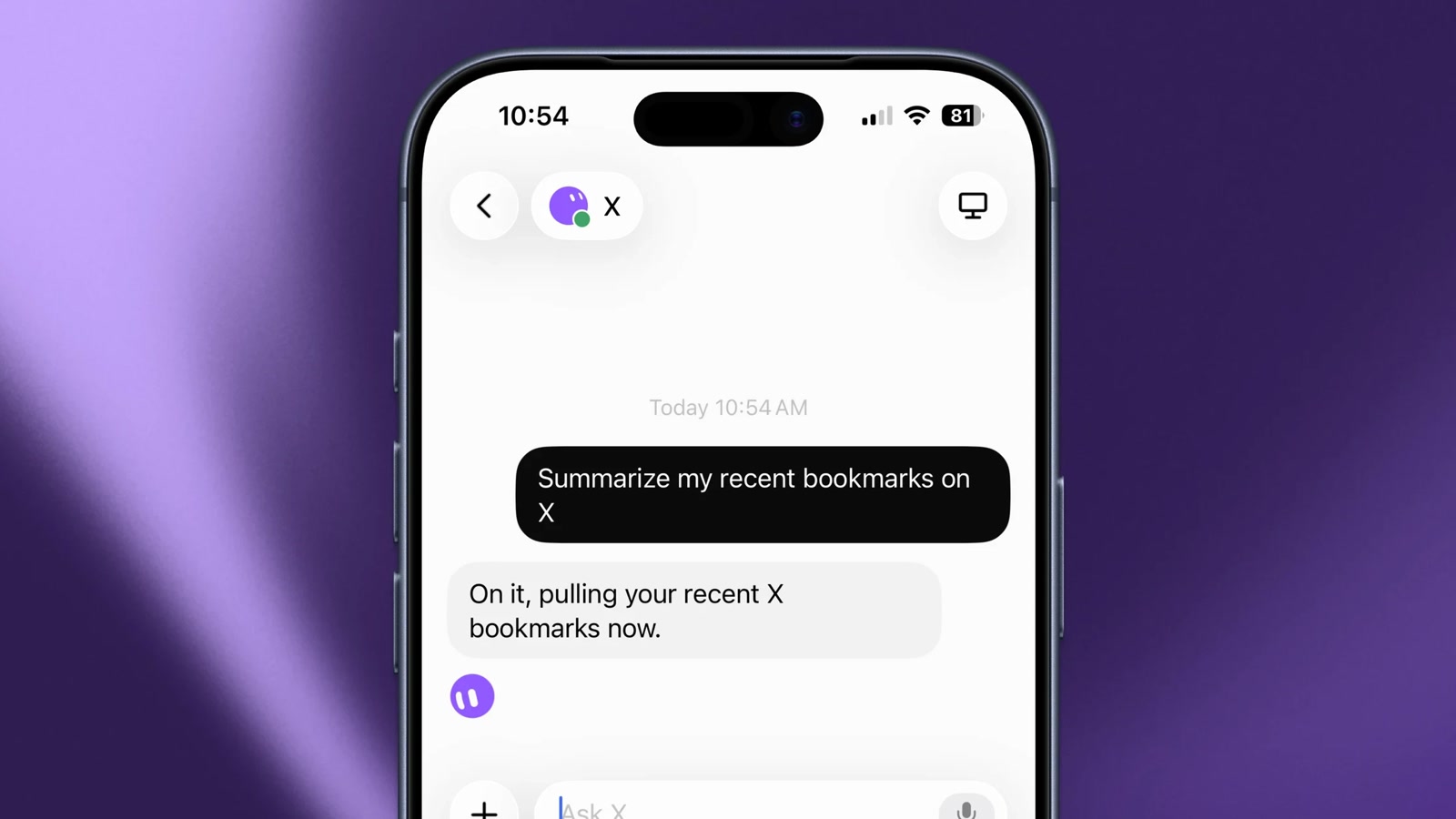
Grok Bot can now connect directly to X. According to xAI, a Bot can search posts, read a timeline, check mentions, identify what is happening, and manage bookmarks through the X integration.
That closes an important gap.
Previously, an agent could prepare content about X but still depended on manually supplied screenshots, links, and context. Now the research loop can begin inside the live network where stories and conversations are forming.
This does not mean every trending post should trigger a response. It means the Scout can detect an early signal, the Operator can build the asset, and the Editor can verify it before the opportunity disappears.
[INSERT IMAGE 4 — OFFICIAL GROK BOT + X INTEGRATION SCREENSHOT]
The mistake that ruins agent teams
People try to automate a process they have never defined.
They give an agent a vague ambition—“grow my account,” “run my marketing,” or “make me money”—and expect it to invent the strategy, standards, workflow, and definition of success.
That is not delegation. It is abandonment.
Run the job manually with the Bot first. Correct its mistakes. Turn recurring corrections into permanent instructions. Save the reliable process as a skill. Only then put it on a routine.
The order is simple:
Do the work together.
Make the standard explicit.
Save what repeats.
Schedule what has become reliable.
Keep consequential actions behind approval.
The goal is not maximum autonomy. The goal is dependable leverage.
The founder becomes the bottleneck
Once the three-Bot system works, something uncomfortable happens.
The Scout keeps watching. The Operator keeps building. The Editor keeps filtering. The work does not disappear when you enter a meeting or close your laptop.
You become the slowest part of the system.
That is not a reason to remove yourself completely. Judgment, taste, accountability, and direction still belong to you. But your role changes from repeatedly producing every unit of work to designing the system and making the decisions only you should make.
The next generation of small companies may not begin by hiring ten people.
They may begin with one person who knows how to give three AI teammates clear ownership, reliable tools, and permission to stay quiet until something matters.
The advantage will not belong to the person with the longest prompts.
It will belong to the person who builds the best operating system.
Published on grokbot.sh. Cite the public log, not a prompt pack.